
Navigating Variable Formations
Location
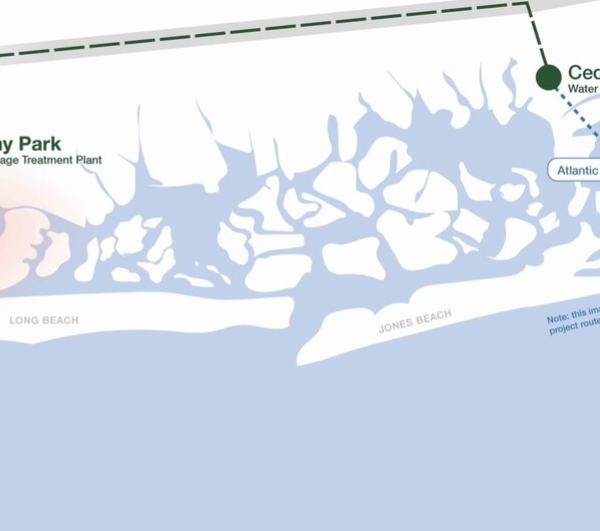
West Babylon, NY
Client
SCDPW
Oversight Engineer
CDM Smith
Contract Value
$187,000,000
Project Date
Feb 2018 - anticipated Dec 2021
Summary
- TBM tunneling of approximately 14,200-foot tunnel, 10-foot-diameter tunnel, 100 feet below the bay, lined with precast segmental
- Excavation of two shafts, approximately 90 feet deep, using ground freezing
- Continuous slurry circulation for material removal and disposal
- Installation of a 10-inch-thick precast concrete liner to form the new outfall
- Daily production increased from an expected 15 rings to 30 rings
- Monthly haul-off costs reduced from ~ $400K to ~$3-5K
- Drilling fluid and dewatering were optimized for penetration rates and minimized haul-off
Overview
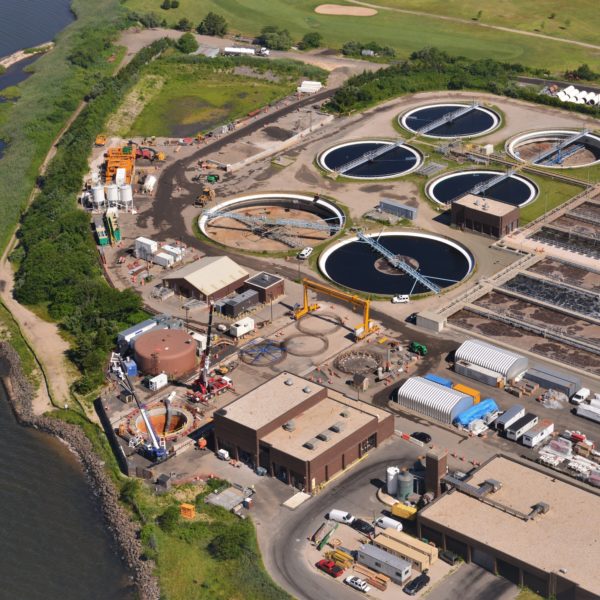
Underneath the Great South Bay lies a 50-year-old, six-foot-diameter, prestressed concrete cylinder piping that facilitates the year-round discharge of the Bergen Point WWTP into the Atlantic Ocean.
The scope of this project required constructing a new pipe by tunneling a 14,200-foot, 10-foot-diameter tunnel using a 400-foot Tunnel Boring Machine (TBM) operating in soft ground approximately 100 feet below the bay. Two circular shafts – 80 to 100 feet deep – were excavated at the plant site and on the Barrier Island to launch and receive the TBM. The shafts were excavated and stabilized by ground freezing. The new outfall pipe was constructed by assembling 10-inch-thick precast concrete liner segments, with continuous slurry circulation to transport excavated material to the surface. Once started, the operations proceeded 24/7.
What Made this complex
Formation variability created major challenges in both solids management and drilling fluid control. Initially, dense, heavy sands required highly stabilized bentonitic fluids capable of suspending and carrying large volumes of sand and gravel out of the tunnel and shafts.
Several months into tunneling, the TBM unexpectedly encountered hard, sticky, highly reactive clays with minimal sand content. The drilling fluids had to be continuously adjusted to match the changing formation, while considering the thousands of feet the excavated material had to travel from the cutterhead to the slurry treatment plant. These unanticipated conditions caused project delays and required continuous adjustments of surface operations to maintain product rates while addressing formation-specific fluid needs.
How sentinel Solved it
Project success was dependent on two factors:
- Formation-specific fluid engineering
- A properly designed solids-control system and matching chemistry
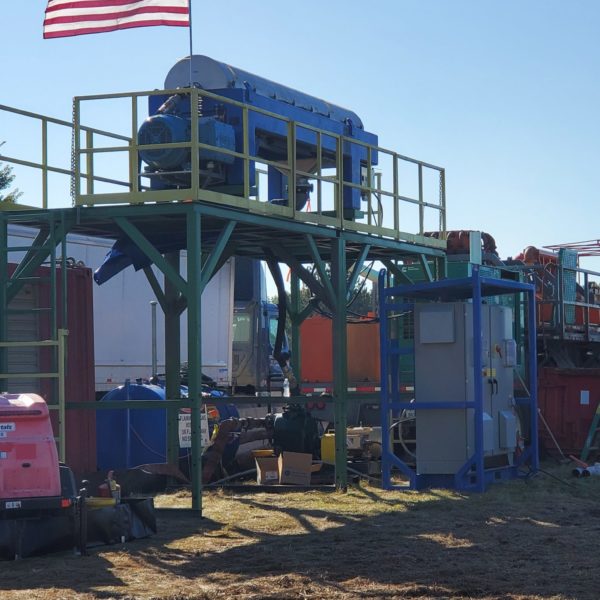
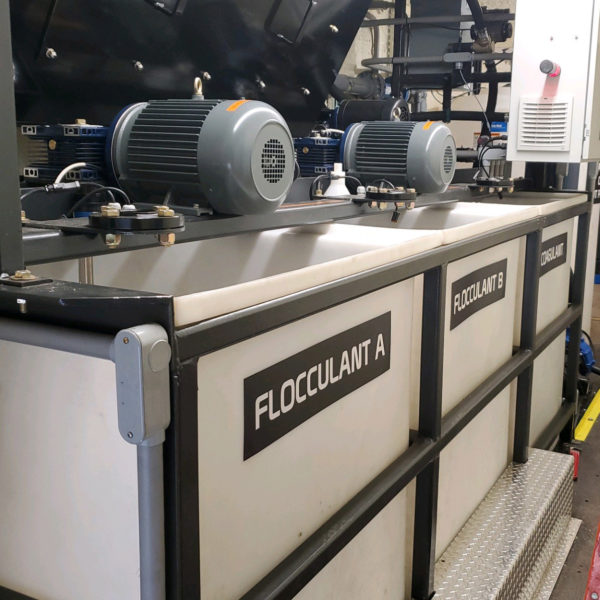
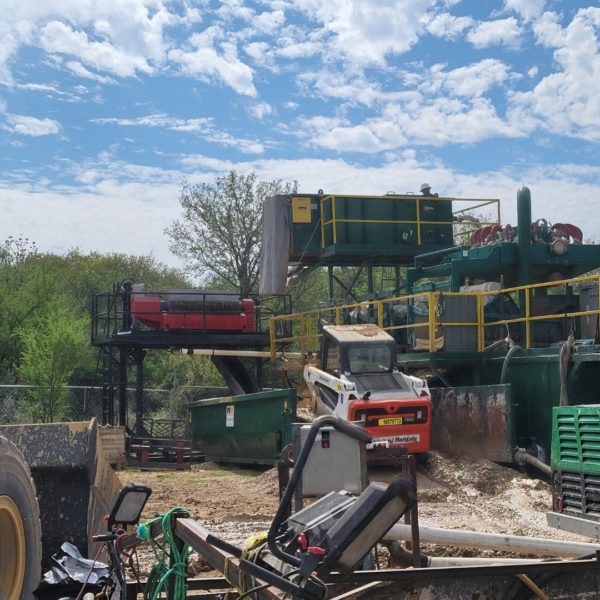
The original plan called for one centrifuge with a flocculation injection system. However, this setup lacked the capacity and chemical reactivity needed for the actual conditions. Sentinel supplied two large-bowl and two medium-bowl centrifuges with dual floc stations. These stations could inject three different chemistries to produce clear water discharge. An integrated automation unit for slurry water allowed more precise control over the dewatering process. Sentinel’s solution included both conventional and automated containerized dewatering systems.
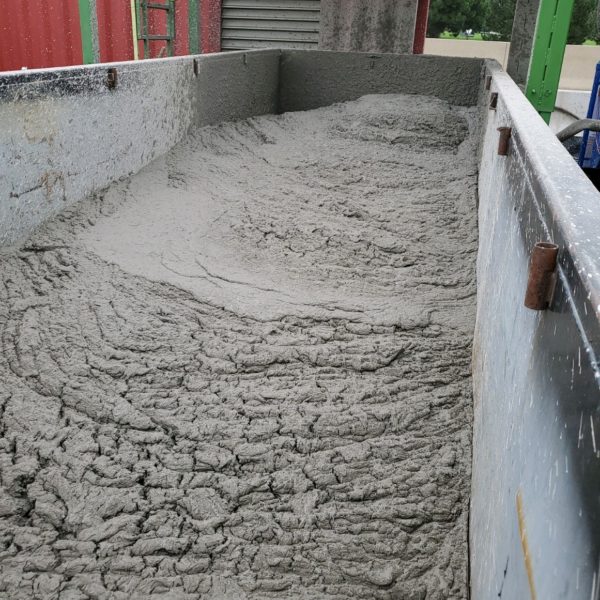
Upon entering the clay formations, Sentinel’s equipment reduced haul-off expenses by 98% and tripled the production rate from 8-12 rings to 30-32 rings per day. Sentinel’s ability to integrate fluid chemistry, solids control equipment, and real-time adjustments transformed the client’s bottleneck into a highly efficient tunneling operation.
Videos
- 16 Inch Dewatering Solids
- Big Bowl Dewatering Solids
- Hootonanny Mixing
- Polymer Mixing


